CEOS Development Environment

WGDisasters-25 & WGISS-61 Joint meeting

Event Dates: March 16th - 20th, 2026
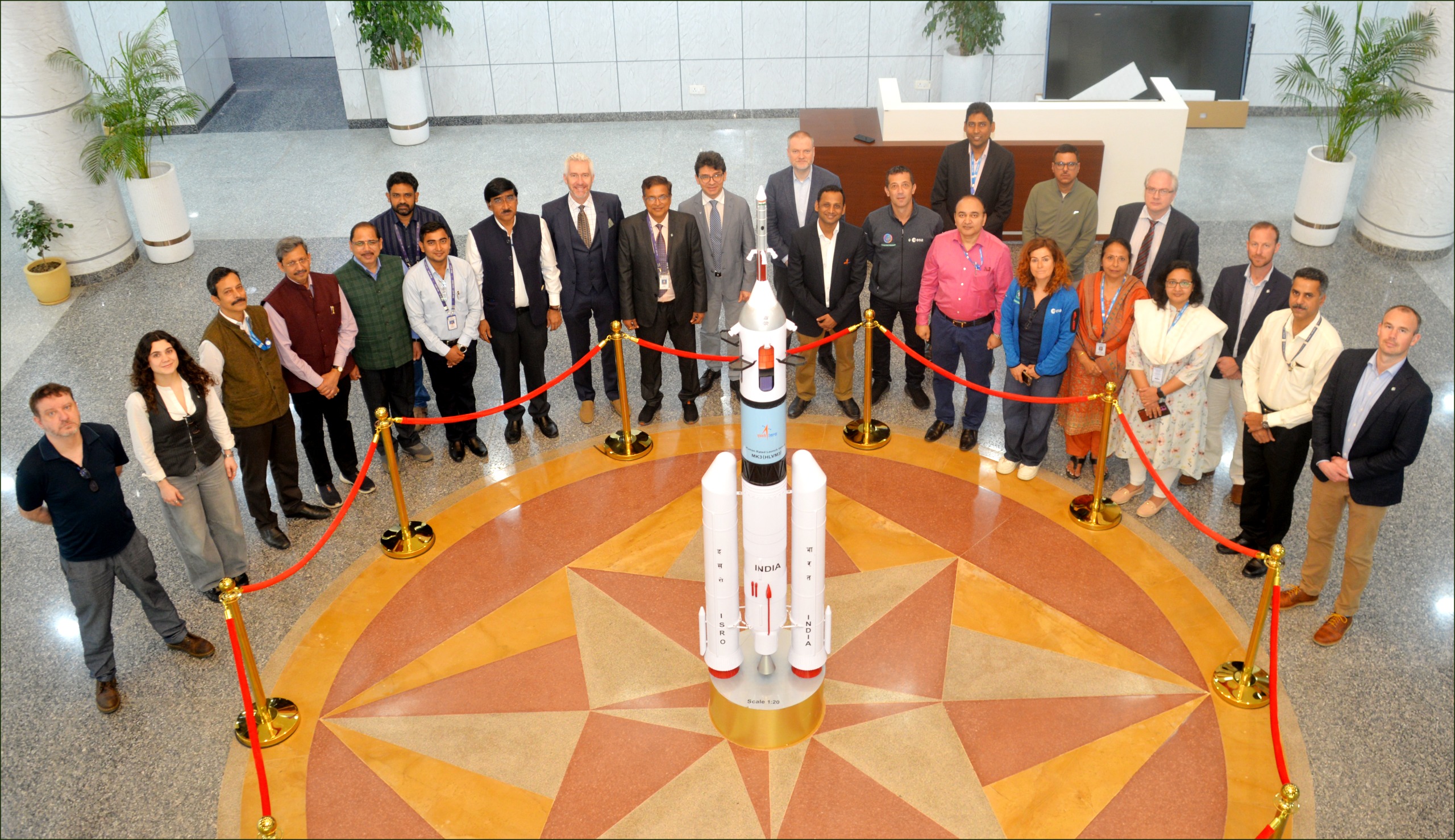
 

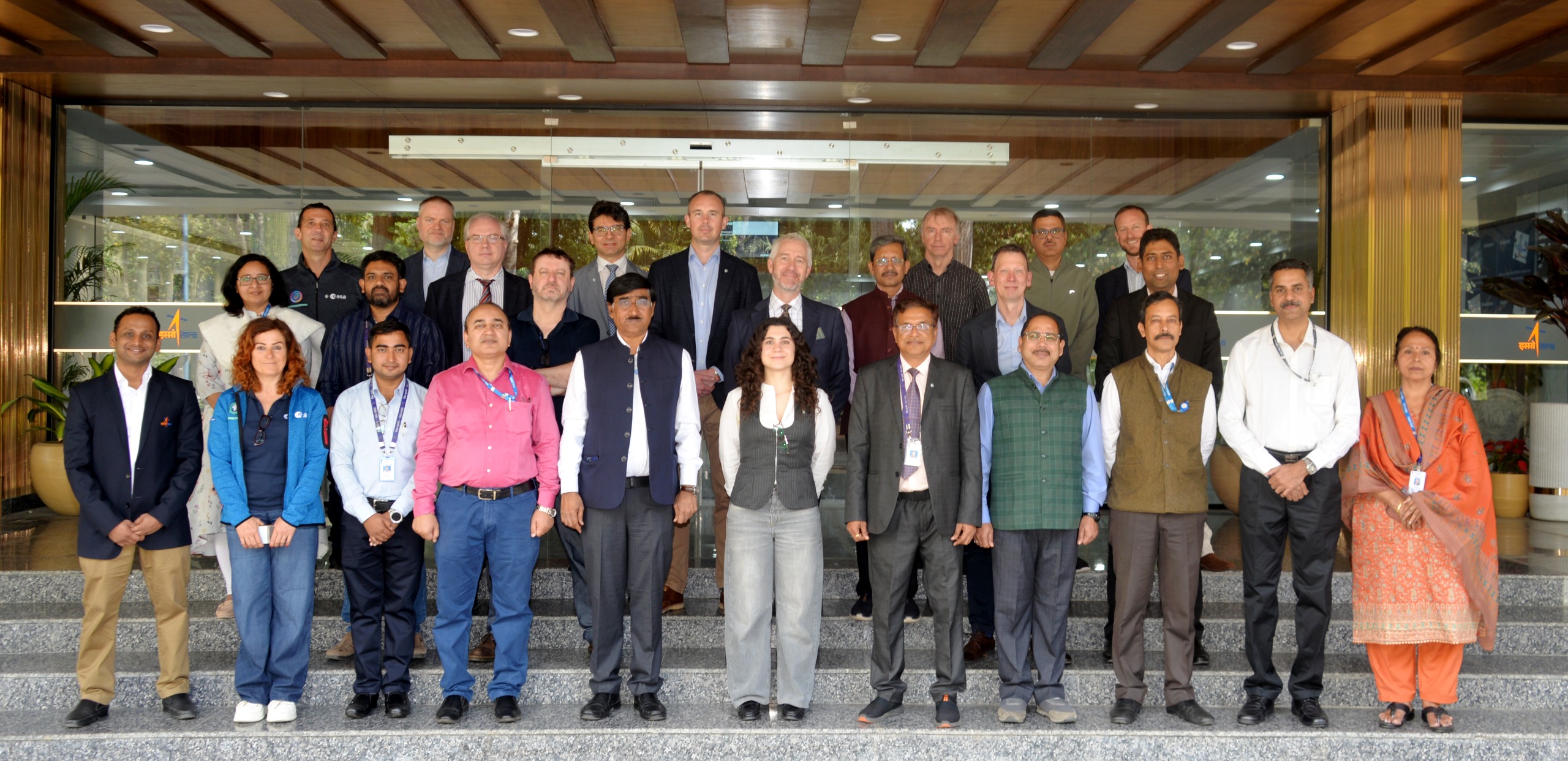
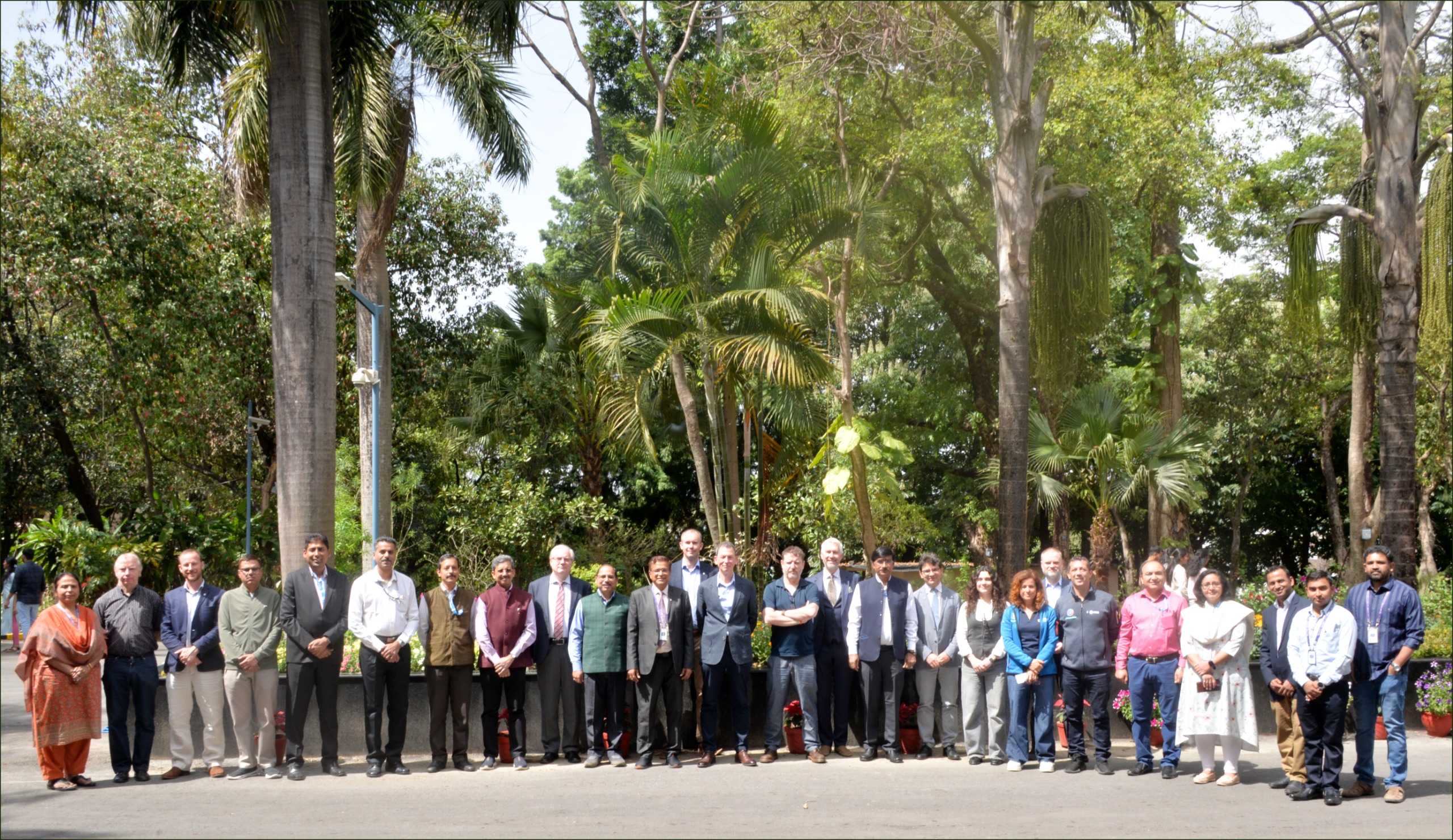
IIRS, Dehradun, INDIA, Hosted by Indian Space Research Organisation (ISRO)

Meeting Files

Additional Information


Agenda and Presentations

Session 1: Opening Session

1.1: Review of Agenda & Tour de table
1.2: Welcome from ISRO
1.3: ISRO Earth Observation Programme
1.4: CEOS Executive Officer Report
1.5: SEO Report
1.6: NASA SIT Chair Priorities
1.7: Group on Earth Observations (GEO):Update on GEO activity
1.8: WGISS Chair Report
1.9: WG Disaster Chair Report
1.10: Early Warning for All (EW4A)

Session 2: Agency Reports

2.1: NASA
2.2: UKSA
2.3: ESA
2.4: CNES
2.5: ASI
2.6: Institute of Space Studies of Catalonia
2.7.1: African Space Agency
2.7.2: Hellenic Space Center
2.8: JAXA
2.9: CGMS Working Group IV Report

Session 3: Interoperability and Use

3.1: DIIG Work Plan
3.2: Interoperability Maturity Matrix
3.3: Overview of Interoperability Demonstrators
3.4: Interoperability Demonstrator: Surface Reflectance Quality and Consistency (WGCV)
3.5: Interoperability Demonstrator: Shoreline Decision Ready Data
3.6: EO Glossary: Next Steps
3.7: ARD Strategy 2026: Updates

Session 4: Data Discovery and Access

4.1: Data Discovery & Access Interest Group (DAIG) Work Plan
4.2: FedEO report
4.3: IDN report
4.4: CEOS-ARD Accessibility and Discoverability – progress report
4.5: Progress and opening of STAC API catalog at JAXA
4.6: Federated Authentication and Authorization White Paper status
4.7:OGC Testbed-21 4IPT – activity report
4.8: ESA/NASA MAAP
4.9: NASA update on federation
4.10: Open discussion on Challenges & strategic solution (chapter 5)

Session 5: Joint Session WGISS and WGDisaster

5.1: Review of Joint Actions
Discussion on Potential Collaboration Areas
5.2: Resilience Interoperability Demonstrator
5.3: Decision Ready Data: Surface Inundation (SI) Product Specifications
5.4: WGISS Connected Data Assets
5.5: Data Storage for GVEWERS and GSNL

Session 6: Joint Session WGISS and WG-Disaster

6.1: Introducing the AI/ML white paper.
6.2: EO-GPT from SEO.
6.3: Sentinel-1: A Game Changer for Disaster Response
6.4: BGS Response for emergency and disaster management
6.5: Earth Observation for Mapping Flood Inundation Dynamics
6.6: Artificial Intelligence and Earth Observation for Post-Disaster Impact Assessment: Lessons Learned from Multi-Hazard Case Studies

Session 7: Data Management – Replicas & Big Data

7.1: Answer the Big Data.
7.2: Agentic AI for EO
7.3: Pixels to Embeddings: AI for Geospatial Remote Sensing Data
7.4: PhiSat-2 Mission
7.5: Deliverables for DTs
7.6: Digital Twin Use Cases for Space
7.7: Digital Twin factory
7.8: Destination Earth and ESA Digital Twin Earth Programme

Session 8: Data Preservation and Stewardship

8.1: DSIG Work Plan
8.2: AVHRR Recovery Project Status
8.3: AVHRR GAPs Analysis Tool
8.4: AVHRR Dataset description(Japan)
8.5: AVHRR Dataset description (ISRO)
8.6: AVHRR Dataset description (USGS)
8.7: Archival in the Cloud Reporting
8.8.1: AVHRR LAC in CMA
8.8.2: Towards a fundamental data inventory
8.9: Heritage Data Recovery – Session Introduction 
8.10: Heritage Data Recovery (USGS)
8.11: Heritage Data Recovery (UKSA)
8.12: Heritage Data Recovery (JAXA)
8.13: Heritage Data Recovery (NASA)
8.14: Heritage Data Recovery (ISRO)
8.15: Persistent Identifier Use cases and Data Citation discussion

Session 9: Brainstorming

9.1: Data Resilience
9.2: Future Activities

Session 10: Closing Session

10.1: Action Review
10.2: Closing Remarks